
How Much Money Do Solar Panels Save Per Year?

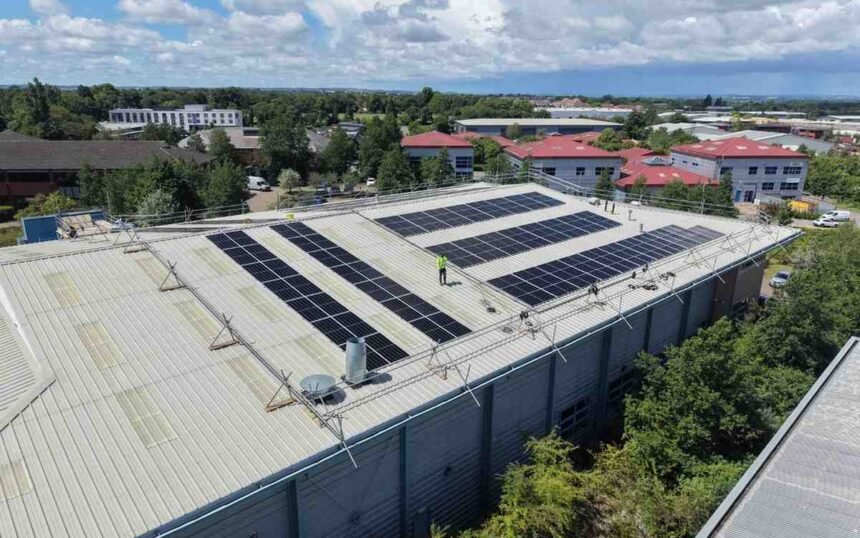
Most UK homes save between £400 and £1,100 per year with solar panels. Savings depend on system size, household usage, and how much electricity you use during daylight hours. A typical 4kW system saves around £650-£750 annually for an average household.
Key Takeaways
- Most UK homes save £400-£1,100 annually with solar panels, depending on system size.
- Savings come from self-consumption and Smart Export Guarantee payments combined.
- Battery storage can boost annual savings significantly, sometimes by 30% or more.
- Rising energy prices have increased solar savings compared to earlier projections.
- Most systems achieve full payback within 9-12 years, then provide ongoing free savings.
Below, we break this down by system size, usage patterns and real examples.
What Determines How Much You’ll Save?
Several factors decide your actual annual savings, not just system size alone.
a. Electricity usage patterns. Using power during daylight hours maximises savings. Evening-heavy usage reduces them.
b. System size. Larger systems generate more electricity, but only help if you can use or export it.
c. Electricity prices. Higher energy prices mean bigger savings per unit of solar power used.
d. Battery storage. Batteries let you use solar power in the evening, boosting overall savings significantly.
Average Annual Savings by System Size
Here’s a realistic breakdown for typical UK households.
| System Size | Annual Generation | Typical Annual Savings |
| 3kW | 2,550 kWh | £400–£550 |
| 4kW | 3,400 kWh | £650–£750 |
| 5kW | 4,250 kWh | £800–£950 |
| 6kW | 5,100 kWh | £950–£1,100 |
These figures assume average UK sunlight levels and typical daytime electricity usage patterns.
How is Solar Panel Savings Actually Calculated?
Savings come from two separate sources. Understanding both helps set realistic expectations.
1. Self-consumption savings. This is electricity you generate and use directly, instead of buying from the grid.
2. Export income. Under the Smart Export Guarantee (SEG), you’re paid for unused electricity sent back to the grid.
Example calculation for a 4kW system:
- Total generation: 3,400 kWh/year
- Self-consumed (50%): 1,700 kWh × £0.27/kWh = £459
- Exported (50%): 1,700 kWh × £0.15/kWh = £255
- Total annual savings: £714
Does Battery Storage Increase Your Savings?
Yes, significantly. Batteries let you store daytime solar power for evening use instead.
Without a battery, most households only self-consume 30-40% of generated solar power.
With a battery, self-consumption often rises to 60-80%. This substantially increases your annual savings.
Example: Adding a battery to a 4kW system can boost annual savings from £714 to over £950.
How Does Household Usage Affect Your Savings?
Your daily routine matters more than most people realise.
a. Home during the day? You’ll use more solar power directly, maximising self-consumption savings.
b. Out at work all day? Less solar gets used directly, though export income still applies.
c. Working from home increasingly common? This has genuinely improved solar savings for many UK households since 2020.
Real Example: A Bedford Household’s Annual Savings
A Welton Renewables client in Bedford installed a 4.2kW system with battery storage.
Their household includes two adults working from home. Daytime electricity usage is consistently high.
Results after 12 months:
- Total generation: 3,570 kWh
- Self-consumption: 72% (with battery storage)
- Annual savings: £892
- Export income: £134
Their combined annual benefit reached £1,026. Notably above the average for their system size.
How Do Rising Energy Prices Affect Solar Savings?
Higher electricity prices increase the value of every kWh you generate yourself.
UK energy prices have risen substantially since 2021. This has made solar panels more valuable than earlier projections suggested.
According to Ofgem, the energy price cap has fluctuated significantly in recent years, generally trending upward compared to pre-2021 levels.
This means many homeowners now save more than original installer estimates predicted.
How Long Does It Take to Recoup Your Investment?
This is called the “payback period.” It’s how long until savings equal your installation cost.
| System Size | Typical Cost | Annual Savings | Payback Period |
| 3kW | £5,500 | £475 | ~11.5 years |
| 4kW | £7,000 | £700 | ~10 years |
| 5kW | £8,500 | £875 | ~9.7 years |
After payback, all further savings are essentially free money for the remaining system lifespan.
What Can You Do to Maximise Your Annual Savings?
Follow these practical steps to get the most from your system.
- Run appliances during daylight hours, such as washing machines and dishwashers.
- Consider adding battery storage to capture more self-consumption savings.
- Check your SEG export rate regularly, as providers vary significantly.
- Keep panels clean to maintain optimal generation levels.
- Monitor performance through your inverter app to spot any issues early.
Small behavioural changes often add £50-£150 to annual savings, at no extra cost.
Frequently Asked Questions
1. How much can I save per year with a 4kW solar system?
Typically £650-£750 annually, though battery storage and usage patterns can increase this further.
2. Do solar panels save money if I’m out during the day?
Yes, though savings are lower. Export income through the Smart Export Guarantee still applies.
3. How much does the Smart Export Guarantee pay per kWh?
Rates vary by provider, typically ranging from £0.05 to £0.15 per kWh exported.
4. Does battery storage really increase solar savings?
Yes, significantly. Batteries can boost self-consumption from 30-40% up to 60-80% of generated power.
5. How long until solar panels pay for themselves?
Most UK systems achieve payback within 9-12 years, depending on size and usage patterns.
6. Do solar panel savings increase over time?
Often yes, as rising energy prices increase the value of self-generated electricity, despite slight panel degradation.
7. Is solar worth it if I have a small roof?
Yes, smaller 3kW systems still generate meaningful savings, particularly for lower-usage households.