Myths About Solar Panels That Need to Be Debunked

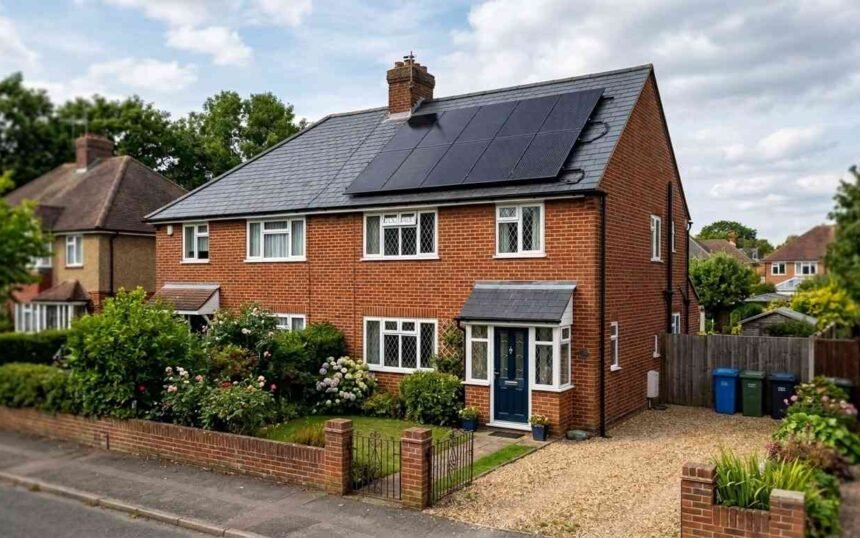
Solar panels work in the UK, even on cloudy days. They don’t need constant sunshine to generate electricity. Most misconceptions about cost, maintenance, and performance are simply out of date.
Key Takeaways
- Solar panels generate electricity from daylight, not just sunshine.
- Installation costs have fallen sharply over the past ten years.
- South-facing roofs aren’t the only viable option.
- Panels require minimal ongoing maintenance.
- Battery storage adds value but isn’t mandatory.
Here’s what’s actually true, backed by current UK data.
Myth 1: Solar Panels Don’t Work in Cloudy Weather
This is the most common myth we hear. It’s simply not true.
Solar panels generate electricity from daylight, not direct sunshine. Even on overcast UK days, panels typically produce 60–70% of their potential output.
Rain even helps. It washes dirt and debris off your panels, keeping them performing well.
Myth 2: Solar Panels Are Too Expensive to Be Worth It
Solar costs have fallen dramatically over the past decade. Prices have dropped by more than 80% since 2015.
Most UK homeowners now pay around £5,500 to £7,500 for a typical three-bedroom installation. Systems usually pay for themselves within 9 to 12 years, followed by many more years of pure savings.
Myth 3: You Need a South-Facing Roof for Solar to Work
South-facing roofs generate the most electricity, but they’re not essential. East and west-facing roofs still produce 80–90% of optimal output.
Even north-facing roofs can generate useful power with modern panel technology. Read more in our guide comparing south-facing vs east-facing roofs for solar suitability.
Myth 4: Solar Panels Damage Your Roof
When installed by certified professionals, solar panels don’t damage roofs. In fact, they often protect them.
Panels shield your roof from rain, hail, and general weather wear. Proper installation includes secure mounting that respects your roof’s structure and warranty.
Myth 5: Solar Panels Require High Maintenance
Solar panels are largely maintenance-free. Most systems need nothing beyond an occasional visual check.
- No moving parts to wear out
- Rain naturally cleans panel surfaces
- Annual inspections are optional, not essential
- Most panels carry 20–25 year performance warranties
Myth 6: Battery Storage Is Essential for Solar to Be Worthwhile
Battery storage boosts your savings, but it isn’t required. Solar panels alone still cut electricity bills significantly.
A battery simply lets you store surplus daytime power for evening use. It’s a valuable upgrade, not a necessity.
Myth 7: Solar Panels Only Work in Hot Climates
Cooler temperatures don’t hinder solar panels. They can actually improve efficiency.
Excessive heat reduces electrical performance in panels. This means UK weather, often mild rather than scorching, suits solar panels well.
Myth 8: Installing Solar Panels Involves Months of Paperwork
Professional installers handle the entire application process. This includes safety checks and grid connection approval.
Most installations complete within one to two days. The paperwork side rarely delays your timeline significantly.
Myth 9: Solar Panels Only Provide Partial Energy for Your Home
With proper system design, solar can supply a substantial share of daytime electricity needs. In some cases, it covers the majority.
Output depends on roof size, orientation, and household usage patterns. A well-designed system maximises what your roof can offer.
Myth 10: Solar Farms Are Taking Over UK Farmland
Solar projects currently use less land nationally than golf courses and airports combined. Many solar farms also operate as agrivoltaic sites, growing crops alongside panels.
This myth persists despite clear evidence to the contrary.
Solar Myths vs Facts: Quick Comparison
| Myth | Reality |
| Doesn’t work in cloudy weather | Generates 60–70% output on cloudy days |
| Too expensive | Costs fallen 80% in a decade |
| Needs south-facing roof | East/west roofs still produce 80–90% |
| Damages your roof | Protects roof when properly installed |
| High maintenance | Largely maintenance-free |
| Battery storage essential | Beneficial, not required |
Frequently Asked Questions
1. Do solar panels really work in the UK’s cloudy climate?
Yes. Panels generate electricity from daylight, producing significant output even on overcast days.
2. How long does it take for solar panels to pay for themselves?
Most UK homeowners see payback within 9 to 12 years, depending on usage and system size.
3. Will solar panels damage my roof?
No, not when fitted by a certified installer. Proper mounting can actually protect your roof.
4. Do I need a south-facing roof to benefit from solar?
No. East and west-facing roofs still generate strong output and deliver good savings.
5. Is battery storage necessary alongside solar panels?
No. Batteries boost savings but aren’t essential for solar to be worthwhile.
6. How much maintenance do solar panels need?
Very little. Most systems require only occasional visual checks, with no moving parts to service.
7. Are solar panels only effective in sunny countries?
No. Cooler climates like the UK can actually improve panel efficiency compared to excessive heat.
8. Is the installation process complicated?
No. Certified installers handle all paperwork, and most installs are completed within one to two days.
9. Do solar farms take up valuable UK farmland?
No. Solar projects use less land nationally than golf courses and airports combined.
10. Can solar panels only provide part of my home’s electricity?
Not necessarily. Well-designed systems can cover a large share of daytime household electricity needs.