Does Solar Affect My Home Insurance?

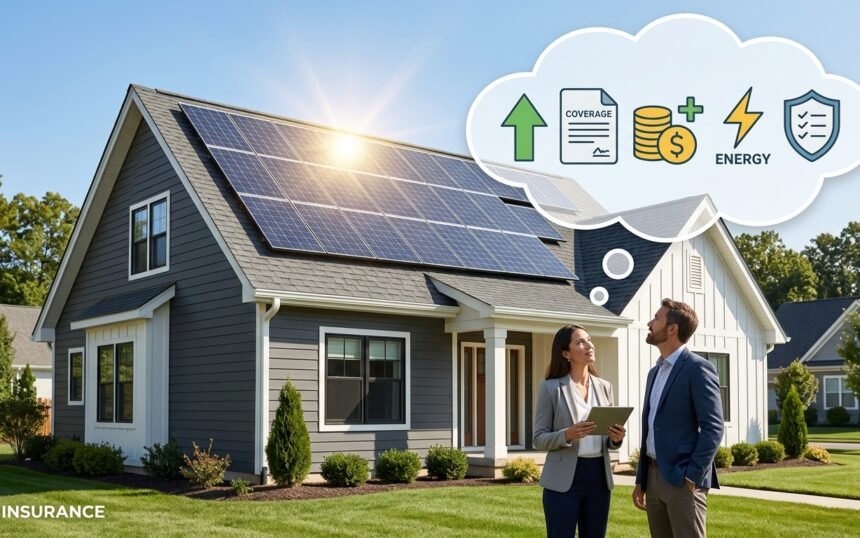
Yes — solar panels can affect your home insurance. But it’s not something to worry about. In most cases, your existing policy will cover them. You do need to inform your insurer when panels are installed. Failing to do so could invalidate your cover.
Will My Home Insurance Cover Solar Panels?
Most standard home insurance policies cover solar panels as a permanent fixture of your property. This means they fall under your buildings insurance — not contents.
However, insurers treat solar panels differently depending on:
- Whether they’re roof-mounted or ground-mounted
- How they were installed (professional vs DIY)
- The total value they add to your property
- Whether your policy was taken out before installation
The key rule: always notify your insurer before or immediately after installation. Don’t assume you’re covered without checking.
Do I Need to Tell My Insurer About Solar Panels?
Yes — absolutely. This is one of the most important steps after getting solar panels installed.
Solar panels typically add £10,000–£20,000 or more to the rebuild value of your property. If you don’t update your buildings insurance to reflect this, you could be underinsured. In the event of a claim, your payout could be significantly reduced.
Here’s what to tell your insurer:
- The number of panels installed
- The total system value (ask your installer for this)
- Whether panels are roof-mounted or ground-mounted
- The installation date and name of the installer
- Whether the system is MCS-certified
Most reputable insurers won’t increase your premium significantly — or at all. But they do need the information on record.
Does Home Insurance Cover Solar Panel Damage?
In most cases, yes — but the details matter.
What’s typically covered under buildings insurance:
- Storm and wind damage
- Fire damage
- Vandalism
- Falling objects (e.g. tree branches)
- Subsidence affecting the roof or mounting structure
What’s usually NOT covered:
- General wear and tear
- Gradual deterioration
- Electrical faults or inverter failure (this may be covered under a separate solar warranty)
- Damage caused by poor installation
Always read your policy wording carefully. Some insurers have specific exclusions for solar equipment. If yours does, it may be worth switching providers or adding specialist solar cover.
Will Solar Panels Increase My Home Insurance Premium?
Not necessarily — and often not at all.
A 2023 survey by the Association of British Insurers (ABI) found that most homeowners with solar panels saw little to no increase in their annual buildings insurance premium. Some insurers even view solar installations favourably, as MCS-certified systems are professionally fitted to a high standard.
That said, a higher rebuild value does mean a marginally higher premium in some cases. The increase is usually small — often £20–£50 per year — and easily offset by the savings on your energy bills.
What Happens If Solar Panels Damage My Roof?
This is a common concern — and a fair one.
If a solar panel installation causes damage to your roof (for example, due to poor fitting), your buildings insurance may cover the roof repair but not the cause of the damage. Liability for the installation fault would typically fall on the installer.
This is exactly why choosing an MCS-accredited installer matters. At Welton Renewables and Electrical Services, all our installations come with:
- Full MCS certification
- Workmanship warranty
- Professional liability insurance
If a third-party installer damages your roof and they’re not properly insured, you could be left out of pocket. Always ask for proof of installer insurance before work begins.
What About Feed-in Tariff and Export Payments?
If your system is registered under the Smart Export Guarantee (SEG), this is separate from your insurance. Losing your SEG payments due to system damage is a financial risk — another reason to ensure your system is properly covered.
Some specialist solar insurance products include loss of earnings cover, which compensates you if your system is out of action due to an insured event. Worth considering for larger or commercial systems.
Ground-Mounted Solar Panels and Insurance
Ground-mounted systems are slightly different. Because they’re not attached to your building, some insurers classify them differently — sometimes as outbuildings or external structures.
Check your policy carefully. You may need to add a separate extension to your buildings insurance to cover a ground-mounted array.
Specialist Solar Panel Insurance: Is It Worth It?
For most homeowners with a standard rooftop system, your existing buildings insurance is sufficient — provided you’ve notified your insurer.
Specialist solar insurance might be worth considering if:
- You have a large or high-value system (10kW+)
- Your standard policy explicitly excludes solar equipment
- You want loss-of-generation cover included
- You have a ground-mounted or commercial installation
Providers such as Renewable Energy Assurance and Lloyd’s of London specialist brokers offer tailored solar panel cover in the UK.
Comparison: Standard Buildings Insurance vs Specialist Solar Insurance
| Feature | Standard Buildings Insurance | Specialist Solar Insurance |
| Covers panels as fixtures | Usually yes | Yes |
| Storm/fire/vandalism cover | Yes | Yes |
| Electrical fault cover | Rarely | Often included |
| Loss of generation cover | No | Yes |
| Inverter failure cover | No | Sometimes included |
| Cost | Marginal premium increase | £50–£200/year additional |
| Best for | Standard domestic systems | Large or commercial systems |
Key Takeaways
- Solar panels are covered under buildings insurance as permanent fixtures.
- You must notify your insurer when panels are installed — don’t skip this step.
- Failing to update your policy could leave you underinsured.
- Most insurers won’t significantly increase your premium.
- Choose an MCS-accredited installer to protect yourself from installation liability.
- Ground-mounted systems may need a separate policy extension.
- Specialist solar insurance is worth exploring for larger systems.
Frequently Asked Questions
1. Do I need to tell my home insurer about solar panels?
Yes. Solar panels increase the rebuild value of your property. You must notify your insurer to ensure you’re adequately covered. Failure to do so could invalidate your policy in the event of a claim.
2. Will solar panels increase my home insurance?
Usually only slightly, if at all. Most UK homeowners see little or no increase in their annual premium. A higher rebuild value may result in a modest rise — typically £20–£50 per year.
3. Are solar panels covered by buildings or contents insurance?
Buildings insurance. Solar panels are permanently attached to your property and are therefore treated as a building fixture, not a personal possession.
4. What if my solar panels are damaged in a storm?
Storm damage is typically covered under a standard buildings insurance policy. Contact your insurer promptly, document the damage with photographs, and provide installation records.
5. Does solar panel installation void my roof warranty?
It can — if the installer drills into your roof incorrectly. Always use an MCS-accredited installer who carries professional liability insurance. A reputable installer will not void your roof warranty through poor workmanship.
6. Can I insure solar panels on a leased roof or rented property?
If you’re renting, your landlord’s buildings insurance covers the structure. If panels are yours and fitted to a rented property, speak to a specialist broker about a standalone solar panel policy.
7. What is loss-of-generation cover?
It compensates you financially if your solar system goes offline due to an insured event (such as storm damage) and you lose out on energy savings or SEG export payments during the repair period.
Need help with your solar installation or maintenance? Contact the Welton Renewables and Electrical team for a free consultation.