Which Roof Orientation is Best for Solar Installation?

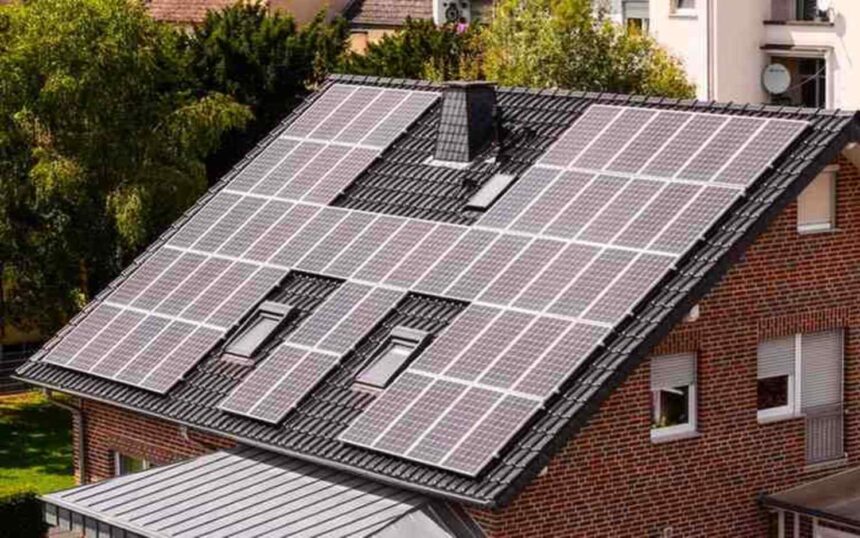
Many homeowners ask one key question before installing solar panels. Which roof orientation is best for solar installation?
Roof direction strongly affects how much electricity your solar panels produce. The right orientation increases efficiency and long-term savings. The wrong direction reduces performance and payback speed.
In the UK, solar panels can still perform well in several roof directions. However, some orientations deliver better results than others. Professional design and placement are essential.
At Welton Renewables & Electrical, we assess your roof carefully. Our engineers design systems that maximise sunlight, efficiency, and energy savings.
Why Roof Orientation Matters for Solar Panels?
Solar panels generate electricity using sunlight. The more sunlight they receive, the more electricity they produce. Roof orientation controls how much direct sunlight reaches your panels throughout the day. Better sunlight exposure means:
- Higher solar energy production
- Lower electricity bills
- Faster return on investment
- Greater carbon reduction
A typical household solar system can generate around 3,400 kWh of electricity each year. Correct panel positioning helps homeowners reach or exceed this output.
South-Facing Roofs – The Best Orientation for Solar Panels
In the UK, south-facing roofs provide the best solar performance. They receive the most sunlight during the day.
Benefits of south-facing solar panels:
- Maximum sunlight exposure
- Highest energy production
- Faster savings on electricity
- Strong long-term performance
Solar experts estimate that south-facing panels can produce 15–20% more electricity than east- or west-facing panels. This makes south the ideal direction for homeowners planning solar installation.
East and West Facing Roofs – Still a Good Option
Not every home has a south-facing roof. Fortunately, solar panels still perform well on other directions.
East-facing panels:
- Generate electricity in the morning
- Ideal for households active early
- Support early appliance usage
West-facing panels:
- Produce more power in the late afternoon
- Useful for evening energy demand
- Good for families to come home after work
Many modern solar installations combine east and west panel layouts. This approach spreads electricity generation across the whole day. Although output may drop by around 10–15% compared with south-facing systems, the system still delivers strong savings.
North-Facing Roofs – Are They Suitable?
North-facing roofs receive the least sunlight in the UK. Solar installation is still possible, but usually less efficient. Common limitations include:
- Reduced sunlight exposure
- Lower electricity generation
- Longer payback period
However, newer high-efficiency panels sometimes make north-facing systems viable. A professional site survey helps determine if installation makes financial sense. At Welton Renewables & Electrical, our team provides honest advice before installation begins.
Roof Angle Also Affects Solar Performance
Roof orientation matters, but roof pitch also influences solar efficiency. The ideal solar panel angle in the UK ranges between 30 and 40 degrees. This angle captures the strongest sunlight throughout the year. If your roof pitch differs, installers can still optimise performance using mounting systems. Proper system design ensures maximum energy production.
Other Factors That Affect Solar Efficiency
Orientation alone does not determine solar performance. Several other factors influence energy generation.
Key considerations include:
- Roof shading from trees or buildings
- Roof size and usable space
- Panel technology and efficiency
- Local climate conditions
- Professional installation quality
Solar energy confirms that correct installation is critical for system performance. UK Government Department for Energy Security and Net Zero. That is why expert installers are essential.
Why Professional Solar Design Matters?
A successful solar installation requires careful planning. Professional installers evaluate:
- Roof direction
- Structural strength
- Electrical capacity
- Energy usage patterns
At Welton Renewables & Electrical, our engineers combine electrical expertise with renewable technology knowledge. Our experienced team delivers:
- High-quality solar installations
- Reliable electrical work
- Advanced renewable energy systems
- Long-term energy savings
Customer feedback highlights the company’s attention to detail and professional service during installations. This commitment ensures every project meets the highest standards.
Why Choose Welton Renewables & Electrical?
Choosing the right installer is just as important as choosing the right roof orientation. Our team provides:
- Expert solar system design
- Professional electrical installation
- High-quality renewable technology
- Clear guidance throughout the project
Internal services you can explore:
With years of experience and trusted customer feedback, we help homeowners move towards cleaner energy confidently.
FAQs
1. Which roof orientation is best for solar installation?
South-facing roofs provide the highest solar energy production in the UK.
2. Can solar panels work on east or west-facing roofs?
Yes. They still generate strong electricity output across the day.
3. Do solar panels work on north-facing roofs?
They can work, but electricity production will be lower.
4. What roof angle is best for solar panels in the UK?
Angles between 30° and 40° provide optimal performance.
5. Can installers adjust panels for better sunlight?
Yes. Mounting systems allow panels to be angled correctly.
Conclusion
Choosing the right roof direction makes a big difference to solar performance. South-facing roofs provide the strongest electricity generation in the UK. East and west orientations still deliver reliable energy throughout the day. Even less ideal roofs can benefit from modern solar technology. With Welton Renewables & Electrical, you receive expert advice, professional installation, and renewable systems designed for maximum efficiency. Our experienced engineers ensure your solar installation works reliably for decades while reducing energy bills and carbon emissions.