What are the Main Components of a Solar PV System?

Many homeowners are now switching to solar energy solutions. What are the main components of a solar PV system?
Understanding how each part works helps you make informed decisions. A solar system is more than just panels on your roof. It includes several key components working together to generate electricity safely and efficiently.
A well-designed system ensures maximum performance and long-term savings. At Welton Renewables & Electrical, we install complete solar solutions tailored to your property.
1. Solar Panels (Photovoltaic Modules)
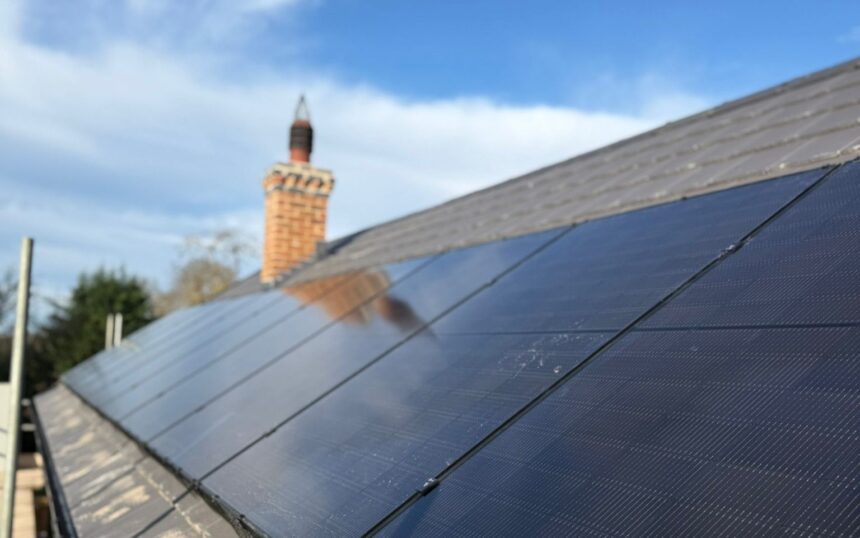
Solar panels are the most visible part of the system. They convert sunlight into electricity using photovoltaic cells.
Key features of solar panels:
- Installed on roofs or ground-mounted systems
- Capture sunlight during daylight hours
- Generate direct current (DC) electricity
- Designed to last 25 years or more
Modern panels are efficient and built for UK weather conditions.
2. Solar Inverter
The inverter is the system’s most important working component. It converts DC electricity into usable alternating current (AC).
Types of solar inverters include:
- String inverters
- Microinverters
- Hybrid inverters
Why inverters matter:
- Power your home appliances
- Control system performance
- Monitor energy generation
Most inverters last around 10 to 15 years.
3. Mounting System
The mounting system secures panels safely to your roof. It ensures panels remain stable in all weather conditions.
Mounting systems are designed to:
- Hold panels securely in place
- Maintain the correct angle for sunlight exposure
- Protect the roof structure
Proper installation prevents damage and improves system lifespan.
4. Battery Storage (Optional)
Battery storage is an optional but valuable component. It stores unused electricity for later use.
Benefits of battery storage:
- Use solar energy at night
- Reduce reliance on the grid
- Improve energy independence
- Lower electricity bills further
Many UK homeowners now include batteries in their systems.
5. Solar Meter and Monitoring System
Monitoring systems track how your solar system performs. They provide real-time data on energy generation.
Monitoring allows you to:
- Track daily electricity production
- Identify performance issues early
- Understand energy usage patterns
A typical UK system can produce around 3,400 kWh per year. Monitoring ensures your system maintains this level of performance.
6. Electrical Wiring and Connections
Wiring connects all components safely. It ensures electricity flows efficiently through the system.
Key elements include:
- DC cables from panels
- AC cables to your home
- Safety isolators and switches
Proper wiring is essential for safety and system efficiency.
7. Generation Meter and Grid Connection
Your solar system connects to the national grid. A generation meter records the electricity your system produces.
Grid connection allows:
- Exporting unused electricity
- Drawing power when solar generation is low
This ensures a consistent and reliable energy supply.
How Do these Components Work Together?
Each component plays a specific role. Together, they create a complete energy system.
Simple system flow:
- Solar panels generate electricity
- An inverter converts power for home use
- Electricity powers appliances
- Excess energy is stored or exported
This process happens automatically every day.
Why System Design Matters?
A well-designed system ensures maximum performance. Poor design can reduce efficiency and savings.
Professional design considers:
- Roof orientation and angle
- Energy usage patterns
- System size and capacity
- Future energy needs
At Welton Renewables & Electrical, we design systems tailored to your property.
UK Solar Growth and Technology Improvements
Solar energy continues expanding across the UK. Modern systems are more efficient and reliable than ever.
Government support and rising energy costs are driving adoption. https://www.gov.uk/government/organisations/department-for-energy-security-and-net-zero
This makes solar a smart long-term investment.
Why Choose Welton Renewables & Electrical?
Choosing the right installer ensures system performance.
We provide:
- Solar panel installation
- EV charger installation
- Electrical services
- Renewable energy solutions
Our experienced engineers focus on safety and efficiency.
We help homeowners achieve reliable and cost-effective energy solutions.
FAQs
1. What are the main components of a solar PV system?
Panels, inverter, mounting system, wiring, and optional battery storage.
2. What does a solar inverter do?
It converts solar energy into usable electricity for your home.
3. Do I need battery storage?
Not essential, but it improves energy usage and savings.
4. How long do solar panels last?
Most panels last 25 to 30 years or more.
5. Can I monitor my solar system?
Yes. Monitoring systems provide real-time performance data.
Conclusion
Understanding the main components of a solar PV system helps you make informed decisions about renewable energy. Each part plays a vital role in generating, converting, and managing electricity for your home. A properly installed system delivers long-term savings, efficiency, and reliability.
At Welton Renewables & Electrical, we provide expert design and installation services to ensure your solar system performs at its best for years to come.