
What is the Difference Between Solar PV and Solar Thermal?

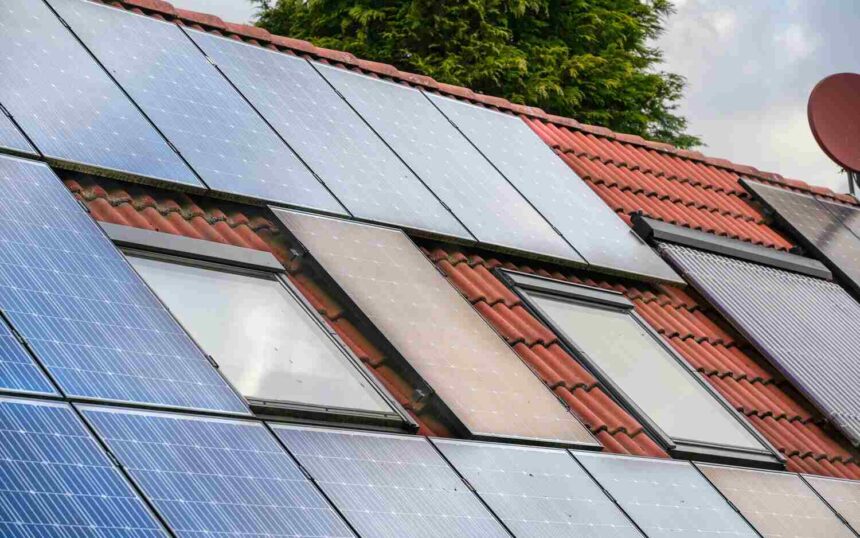
Many homeowners exploring renewable energy ask a key question.
What is the difference between solar PV and solar thermal systems?
Both technologies use sunlight, but they serve different purposes. One generates electricity, while the other produces heat for water. Choosing the right system depends on your home, energy usage, and long-term goals.
Understanding this difference helps you invest wisely in renewable energy. At Welton Renewables & Electrical, we guide homeowners towards the most efficient and practical solutions.
What Is Solar PV?
Solar PV stands for photovoltaic solar panels. These panels convert sunlight directly into electricity.
How solar PV works:
- Panels absorb sunlight
- Cells generate an electrical current
- An inverter converts power for home use
- Electricity powers appliances or feeds the grid
Solar PV is the most common system used in UK homes today.
Benefits of Solar PV Systems
Solar PV systems offer long-term energy and financial benefits.
Key advantages include:
- Generates electricity for your home
- Reduces electricity bills
- Works all year round
- Supports battery storage systems
- Can charge electric vehicles
According to the Energy Saving Trust, a typical solar PV system can generate around 3,400 kWh annually.
https://energysavingtrust.org.uk/advice/solar-panels/
This can cover a large portion of household electricity needs.
What is Solar Thermal?
Solar thermal systems use sunlight to heat water. They are mainly used for domestic hot water systems.
How solar thermal works:
- Solar collectors absorb heat from sunlight
- Fluid transfers heat to a storage cylinder
- Water is heated for household use
Solar thermal systems are often used alongside traditional boilers.
Benefits of Solar Thermal Systems
Solar thermal systems focus on heating efficiency.
Key advantages include:
- Reduces hot water heating costs
- Lower energy bills for heating
- Efficient during sunny periods
- Simple system design
Solar thermal is particularly useful for homes with high hot water demand.
Key Differences Between Solar PV and Solar Thermal
Understanding the differences helps you choose the right system.
Main differences include:
1. Purpose
- Solar PV: Generates electricity
- Solar Thermal: Heats water
2. Energy Output
- Solar PV: Powers appliances and EV chargers
- Solar Thermal: Supplies hot water only
3. Flexibility
- Solar PV: Works with batteries and smart systems
- Solar Thermal: Limited to heating applications
4. Popularity in the UK
- Solar PV: Widely used and growing rapidly
- Solar Thermal: Less common but still useful
Which System Is Better for UK Homes?
For most homeowners, solar PV is the more flexible option. It supports modern energy needs, including EV charging and battery storage. Solar PV also provides greater long-term savings. Solar thermal works well in specific cases. It suits homes with high hot water demand and limited electricity needs.
Can You Combine Solar PV and Solar Thermal?
Yes, both systems can be installed together. This creates a complete renewable energy solution.
Benefits of combining systems:
- Electricity generation from solar PV
- Hot water production from solar thermal
- Improved overall energy efficiency
However, many homeowners now prefer solar PV with battery storage. This setup offers greater flexibility and future-proofing.
UK Renewable Energy Growth
Solar PV adoption continues to grow across the UK. More homeowners are investing in renewable systems for long-term savings.
Government data highlights increasing demand for clean energy solutions.
https://www.gov.uk/government/organisations/department-for-energy-security-and-net-zero
Modern solar technology is also improving efficiency and durability.
Why Professional Installation Matters?
Both solar PV and solar thermal systems require expert installation. Proper design ensures maximum performance and safety.
Professional installers handle:
- System design and sizing
- Roof suitability assessment
- Electrical integration
- Compliance with UK regulations
At Welton Renewables & Electrical, we design systems tailored to your property and energy needs.
Why Choose Welton Renewables & Electrical?
Choosing the right installer ensures long-term performance.
We provide:
Our team focuses on quality, efficiency, and reliability.
FAQs
1. What is the difference between solar PV and solar thermal?
Solar PV generates electricity, while solar thermal heats water.
2. Which system is better for UK homes?
Solar PV is more flexible and widely used in modern homes.
3. Can solar PV heat water?
Yes, indirectly using immersion heaters powered by solar electricity.
4. Is solar thermal still worth it?
Yes, for homes with high hot water usage.
5. Can both systems be installed together?
Yes, combining both improves overall energy efficiency.
Conclusion
Understanding the difference between solar PV and solar thermal helps you choose the right renewable solution for your home. Solar PV offers greater flexibility by generating electricity, while solar thermal focuses on heating water efficiently.
For most UK households, solar PV provides the best long-term value, especially when combined with battery storage and EV charging. At Welton Renewables & Electrical, we provide expert advice and professional installation to ensure your system delivers reliable performance and energy savings for years to come.