
How Does an EV Home Charger Work?

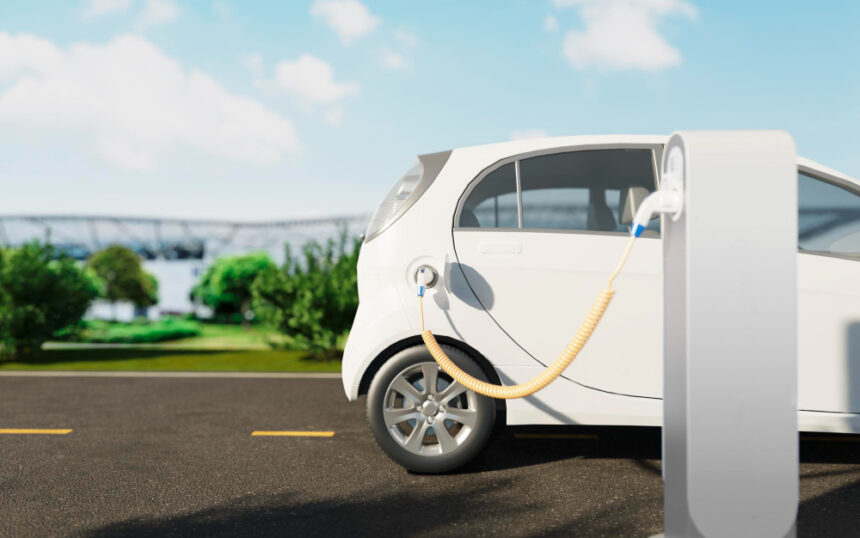
If you’ve recently gone electric, you’ve probably asked: How does an EV home charger work?
Home charging is the safest, fastest, and most cost-effective way to power your electric vehicle. Instead of relying on public charging stations, a home charger delivers controlled electricity directly to your car, overnight or on demand. At Welton Renewables & Electrical, we install reliable home charging systems across the UK, making EV ownership simpler and smarter.
What is an EV Home Charger?
An EV home charger is a dedicated electrical unit that safely supplies power from your home to your vehicle’s battery.
It works by:
- Drawing electricity from your home supply
- Regulating the power flow
- Communicating with your car
- Stopping when charging is complete
Unlike a standard 3-pin plug, a home charger is faster, safer, and purpose-built.
How EV Home Charger Work?
Step 1: Power Comes From Your Home Supply
When you plug in your vehicle, electricity flows from your consumer unit to the charger.
This power is:
- Metered
- Regulated
- Protected by safety devices
Step 2: The Charger Communicates With Your Car
Before charging begins, the charger and vehicle exchange safety signals.
They confirm:
- Correct voltage
- Safe current level
- Secure cable connection
Charging only starts once everything is safe.
Step 3: The Charger Controls the Energy Flow
The charger delivers electricity at a controlled speed, typically 7kW in most UK homes.
This ensures:
- Battery protection
- Stable charging
- No overload on your home system
Step 4: The Car Converts Power to Battery Energy
Your car converts incoming electricity into stored energy. Charging stops automatically when:
- The battery reaches full capacity
- A scheduled limit is reached
- You unplug the cable
How Fast Does a Home EV Charger Work?
Charging speed depends on the charger’s power rating and your car’s battery size.
Typical UK home charging speeds:
- 3.6kW: 10–15 miles per hour
- 7kW: 20–30 miles per hour
- 22kW: Faster charging, needs a three-phase supply
Most homeowners install 7kW chargers, offering the best balance between speed and electrical capacity.
Why Home Charging Is Better Than a 3-Pin Plug?
Using a standard plug socket is slower and less safe.
Home chargers offer:
- Faster charging
- Better safety protection
- Smart energy management
- Dedicated circuits
A home charger can be up to 5 times faster than a standard socket.
Smart EV Chargers: How They Work?
Modern EV chargers include smart technology.
Smart charging features:
- Mobile app control
- Charging schedules
- Energy monitoring
- Load balancing
- Solar integration
- Off-peak tariff charging
Smart chargers help reduce energy costs and avoid overloading your home system.
Is Home EV Charging Safe?
Yes, when installed professionally.
EV chargers include built-in safety systems:
- Earth fault protection
- Overcurrent protection
- Surge protection
- Automatic shut-off
All EV chargers must meet strict safety and electrical regulations.
Why Professional Installation Matters?
A charger is only as good as its installation.
At Welton Renewables & Electrical, we:
- Assess your electrical supply
- Upgrade components if needed
- Install safely and compliantly
- Test and certify your system
We ensure your charger works safely, efficiently, and reliably for years.
Benefits of Installing an EV Home Charger
Home charging brings long-term value.
Key benefits:
- Lower charging costs
- Faster charging times
- Greater convenience
- Increased property appeal
- Reduced reliance on public chargers
UK home charging can be up to 60% cheaper than public rapid charging.
FAQs
1. How does an EV home charger work differently from a plug socket?
It delivers controlled power through a dedicated circuit, making it faster and safer.
2. How long does it take to charge at home?
A typical overnight charge takes 6–8 hours using a 7kW charger.
3. Can I charge using solar power?
Yes, smart chargers can integrate with solar systems.
Q. Do I need permission to install a charger?
Most homes do not, but flats and listed buildings may require approval.
4. How long does installation take?
Most installations are completed within one working day.
Conclusion
Understanding how an EV home charger works helps you make smarter decisions about charging, safety, and long-term value. A professionally installed home charger delivers faster charging, lower costs, and complete peace of mind. With
Welton Renewables & Electrical, you get expert advice, compliant installation, and a reliable charging solution built around your lifestyle.