What to Consider Before Installing Solar Panels?

Thinking about solar panels? Discover what to consider before installing solar panels in the UK, with expert advice from Welton Renewables & Electrical.
Installing solar panels is a smart step for many UK homeowners. With rising energy costs and a growing focus on sustainability, solar offers long-term savings and cleaner power. Before making the move, it’s important to understand what to consider before installing solar panels so your system performs well for years to come.
At Welton Renewables & Electrical, we help homeowners plan solar installations properly, ensuring every system is safe, efficient, and built to last.
Check If Your Roof Is Suitable
Your roof is the foundation of your solar system, so it needs careful assessment. The most important factors include:
- Roof direction – South-facing roofs produce the highest output, but east and west-facing roofs still work well
- Roof angle – A tilt of around 30–40 degrees is ideal
- Roof condition – Solar panels last 25–30 years, so your roof should be in good shape before installation
A professional survey will confirm if your roof is suitable or needs attention first.
Understand Your Energy Usage
Before installing solar panels, it’s important to understand how much electricity your home uses. Consider:
- Your average electricity bills
- When you use the most power during the day
- Future changes, such as electric vehicles or home offices
A system sized around your lifestyle delivers better performance and greater savings.
Planning Permission and Regulations
Most homes in the UK do not need planning permission for solar panels. Solar installations usually fall under permitted development rules, provided panels:
- Do not extend more than 200mm above the roof
- Sit below the highest point of the roof
- Are positioned to minimise visual impact
Planning permission may be required for listed buildings or properties in conservation areas. Checking this early avoids delays.
Choose Quality Solar Panels
Not all solar panels are the same. Quality matters. High-quality panels:
- Perform better in low light
- Lose efficiency more slowly
- Last longer overall
Most modern panels still operate at around 80–90% efficiency after 25 years, making them a strong long-term investment.
Consider Battery Storage
Battery storage is not essential, but it’s worth considering. A battery allows you to:
- Store unused energy for evenings
- Reduce reliance on the grid
- Make better use of your solar power
Homes with battery storage often see greater energy independence.
Installation Quality Makes a Difference
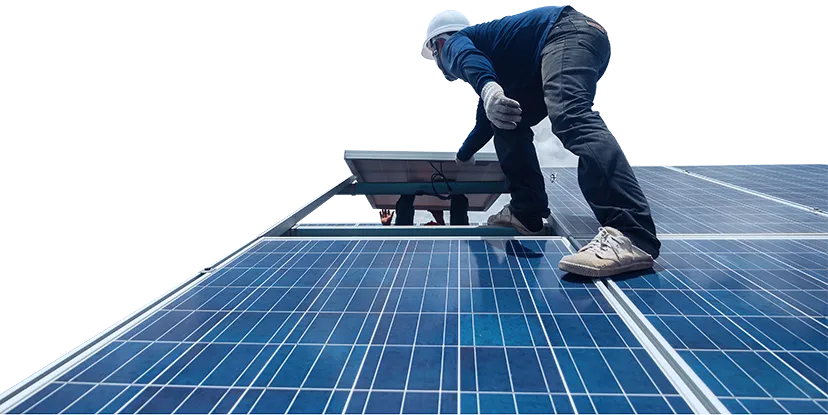
Even the best panels won’t perform properly if installation is poor. Professional installation ensures:
- Correct positioning and angle
- Safe electrical connections
- Compliance with UK standards
At Welton Renewables & Electrical, all work is carried out by qualified electricians, ensuring safety and long-term reliability.
Think About Costs and Savings
Solar panels are an investment, but they offer long-term financial benefits.
- Solar can reduce electricity bills by up to 50%
- Typical payback time is 8–12 years
- Systems continue saving money for decades
Once installed, sunlight is free.
Maintenance and Ongoing Care
Solar panels need very little maintenance. To keep them working efficiently:
- Check performance occasionally
- Keep panels clear of heavy dirt or debris
- Arrange inspections if output drops
Well-maintained systems last longer and perform better.
Why Choose Welton Renewables & Electrical?
Choosing the right installer is just as important as choosing the right panels. With Welton Renewables & Electrical, you benefit from:
- Experienced UK electricians
- Honest advice tailored to your home
- Systems designed for UK weather conditions
- Safe, professional installation
We focus on long-term results, not quick fixes.
FAQs
Q. What should I check before installing solar panels?
Roof condition, energy usage, system size, and installer experience.
Q. Do solar panels work in the UK weather?
Yes, they generate electricity using daylight, even on cloudy days.
Q. How long do solar panels last?
Typically 25–30 years, often longer with proper care.
Q. Is battery storage necessary?
No, but it can improve savings and energy independence.
Final Thoughts
Understanding what to consider before installing solar panels helps you make the right decision from the start. From roof suitability to energy usage and installation quality, careful planning leads to better performance and long-term savings.
With Welton Renewables & Electrical, your solar installation is handled professionally, giving you confidence, reliability, and clean energy for years ahead.